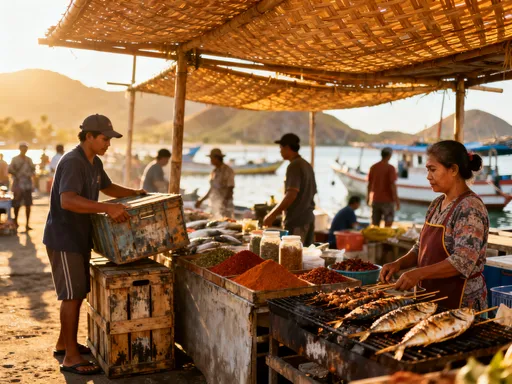
You Won’t Believe What’s Hiding in Komodo’s Local Markets
If you think Komodo is just about dragons and pink beaches, think again. I went there expecting jaw-dropping nature — and got that — but what truly surprised me was the vibrant commercial life buzzing behind the scenes. From bustling harborfront stalls to island-run shops trading in spices and handcrafts, Komodo’s commercial areas are raw, real, and full of local flavor. This isn’t touristy glitz — it’s the heartbeat of daily island life. Let me take you through where locals eat, shop, and connect — the practical, unfiltered side of Komodo most travelers miss.
Beyond the Postcard: Komodo’s Everyday Economy
Komodo National Park is renowned for its prehistoric lizards and pristine coastlines, but beyond the postcard-perfect scenery lies a resilient, working archipelago where daily life revolves around trade, transport, and tradition. The islands are not merely a destination for wildlife seekers; they are home to communities whose livelihoods depend on fishing, small-scale farming, and local commerce. These everyday economic rhythms often go unnoticed by tourists who disembark from luxury boats for a quick dragon sighting and depart just as swiftly. Yet, for residents, life unfolds in markets, harbors, and roadside stalls where transactions are made in cash, conversations flow in Manggarai and Indonesian, and survival hinges on resourcefulness.
The economic landscape of Komodo blends subsistence living with the growing influence of tourism. In villages like Komodo and Rinca, small family-run kiosks sell essentials like bottled water, snacks, and basic toiletries to visiting crews and trekkers. Meanwhile, fishermen haul in daily catches that supply both local tables and nearby restaurants catering to travelers. This coexistence is not always seamless. As visitor numbers rise, so does pressure on infrastructure and natural resources. Some locals welcome the income brought by tourism, while others express concern about environmental strain and cultural commodification. Still, the balance remains delicate, shaped by geography, policy, and community resilience.
Observing the flow of goods offers insight into this quiet economy. Supply boats arrive weekly from Flores, unloading rice, fuel, and building materials onto rickety docks. Motorbikes ferry supplies across Labuan Bajo’s hills, weaving through narrow lanes lined with drying fish and hanging laundry. Transactions are overwhelmingly cash-based — ATMs are scarce, and digital payments remain rare outside town centers. Even park entrance fees are collected in crisp bills handed over at wooden counters. This analog system reflects both necessity and tradition, a reminder that modern conveniences have yet to fully reach these remote shores.
Labuan Bajo: The Real Starting Point
Before any journey into the heart of Komodo National Park begins, it almost always passes through Labuan Bajo — a coastal town perched at the western tip of Flores Island. Once a quiet fishing village, Labuan Bajo has evolved into the primary gateway for tourists, liveaboard crews, and supply chains serving the surrounding islands. Its main commercial strip stretches along the waterfront, alive with shops, warungs, guesthouses, and dive operators. While much of the town now caters to international visitors, it remains deeply rooted in local life, functioning as both a tourist hub and a vital service center for residents and island communities.
Walking down the main road, one encounters a dynamic mix of businesses. Mini-markets stock everything from sunscreen to instant noodles, while phone credit kiosks buzz with activity as locals top up their mobile data. Pharmacies dispense basic medications, and hardware stores supply tools for boat repairs and home construction. Money changers line the sidewalks, offering competitive rates for US dollars and euros, though travelers are advised to verify exchange values carefully. SIM cards for local networks like Telkomsel are readily available, providing essential connectivity for those venturing beyond Wi-Fi zones.
For travelers, Labuan Bajo serves as a crucial preparation point. Here, you can purchase affordable snorkeling gear, rent dry bags, or pick up last-minute supplies before boarding a multi-day boat tour. Local warungs offer hearty meals at a fraction of restaurant prices just a block away — a grilled fish with rice and sambal for under five dollars, served on plastic stools under a tarp. These unassuming eateries are frequented by boat crews, porters, and families, offering a taste of authentic island living before the journey begins.
Perhaps most importantly, Labuan Bajo functions as a logistical backbone. Every liveaboard boat relies on the town for provisions — fresh vegetables, bottled water, fuel, and spare parts. Local suppliers coordinate deliveries, often racing against tide schedules and weather forecasts. Without this supply network, tourism in Komodo would grind to a halt. Recognizing this interdependence helps travelers appreciate the town not just as a stopover, but as the operational engine of the entire region’s visitor economy.
Harbor Life: Where Trade Meets Tourism
The harbor of Labuan Bajo pulses with energy at all hours. By dawn, fishing boats return with glistening catches laid out on wooden planks, their crews calling out prices to waiting buyers. By mid-morning, supply ferries dock, unloading crates of eggs, bottled water, and packaged goods destined for island shops. As afternoon approaches, tour boats glide in, discharging sun-kissed travelers eager for a cold drink and a shower. Throughout this ebb and flow, a network of informal vendors moves seamlessly among boats and passengers, turning the waterfront into a living marketplace.
Vendors — often women in wide-brimmed hats — carry baskets or push carts laden with ice-cold drinks, packaged snacks, and folded sarongs. They know the arrival times of every boat and anticipate demand with precision. A bottle of chilled water sells quickly in the tropical heat, as does a packet of instant noodles for crew members preparing meals aboard. Some vendors specialize in essentials: lighters, batteries, phone chargers — small items easily forgotten but vital on long voyages. Others offer freshly cut fruit or grilled corn, their smoky aroma mingling with the salty sea air.
Beyond retail, the harbor is a center of practical commerce. Boat repair crews work tirelessly on wooden hulls, replacing planks and repainting names in bold letters. Fuel is transferred in jerry cans, carefully measured and logged. Local cooperatives manage the docking schedule, ensuring fair access to limited space. Fishermen auction their daily catch to restaurants, middlemen, and individual buyers, with prices negotiated through quick hand signals and murmured figures. This informal economy operates with remarkable efficiency, governed more by trust and routine than formal contracts.
Yet, this vibrant activity comes with environmental costs. Plastic waste from packaging and single-use bottles accumulates along the shoreline, despite ongoing cleanup efforts. Noise and fuel runoff affect marine life in the bay, and overcrowding during peak season strains waste management systems. Local authorities and NGOs have introduced initiatives to promote sustainable practices — encouraging reusable containers, supporting waste segregation, and educating vendors about eco-friendly alternatives. Travelers can contribute simply by refusing plastic straws, carrying reusable bottles, and choosing vendors who prioritize sustainability.
Island Markets: Small but Mighty
On the islands of Komodo and Rinca, where the famous dragons roam, small community-run markets offer a rare glimpse into local entrepreneurship. These are not sprawling bazaars but modest setups — a few wooden tables under a thatched roof, or a cloth spread on the ground near the ranger station. Run primarily by women from nearby villages, these stalls sell handmade crafts, local snacks, and souvenirs created with care and cultural pride. Each item tells a story: a woven bag dyed with natural pigments, a hand-painted postcard depicting a dragon sighting, or a necklace strung with shells collected from the shore.
What sets these markets apart is authenticity. Unlike mass-produced trinkets sold in tourist shops, these goods are made locally, often within the village. The artisans rely on these sales to support their families, supplementing income from farming or fishing. Purchasing from them directly ensures that money stays within the community, reinforcing economic resilience. Travelers who take time to engage — asking about materials, learning names, offering a smile — often leave with more than a souvenir; they carry a connection.
Still, challenges persist. Competition from cheaper imported goods threatens local craftsmanship. Some tourists bypass these stalls in favor of air-conditioned shops in Labuan Bajo, unaware of the impact their choices make. Language barriers can also hinder interaction, though simple gestures and patient smiles go a long way. Bargaining is common but should be approached with respect. A fair price reflects the time and skill invested, not just the cost of materials. Visitors are encouraged to pay fairly, recognizing that a few extra dollars can make a meaningful difference.
Supporting these small markets also means adapting to their limitations. Cash is the only accepted form of payment, and change may be scarce. There are no price tags, only verbal quotes. But these minor inconveniences are part of the experience — a reminder that commerce here is personal, not transactional. By choosing authenticity over convenience, travelers help preserve cultural heritage and empower local women who are the backbone of island economies.
Food Hubs: Eating Like a Local
To understand Komodo’s culture, one must taste it. While upscale restaurants in Labuan Bajo serve beautifully plated seafood with ocean views, the true flavors of the region are found in humble warungs and night markets tucked down side streets. These food hubs are where locals gather after work, where boat crews refuel between trips, and where families share meals under flickering fluorescent lights. The menus are simple but satisfying: grilled fish seasoned with turmeric and lime, mixed rice dishes with spicy sambal, and fresh coconut water served in the shell with a straw.
Ikan bakar, or grilled fish, is a staple. Whole snapper or mackerel are marinated in local spices, then cooked over open flames until the skin crisps and the flesh flakes apart. Served with steamed rice, cucumber slices, and a fiery chili paste, it’s a meal that satisfies after a day of hiking or diving. Nasi campur — mixed rice with small portions of meat, vegetables, and crackers — offers variety and value, often costing less than three dollars. For dessert, nothing beats a young coconut cracked open tableside, its sweet water and jelly-like flesh providing instant refreshment in the humid climate.
One of the most revealing contrasts is the price difference between tourist-facing eateries and local spots. A grilled fish dish at a waterfront restaurant might cost ten dollars, while the same meal at a warung just one block inland costs less than half. The quality is often comparable, sometimes even better, because the ingredients are fresher and the preparation more traditional. Travelers who venture beyond the main drag discover not only savings but also deeper cultural immersion.
Hygiene is understandably a concern for some visitors. While standards vary, there are cues to help identify safe options. Look for busy stalls with high turnover — fresh food is less likely to spoil. Observe whether vendors use gloves or tongs, and whether drinking water is served sealed or boiled. Bottled water is widely available and recommended. Learning a few basic Indonesian phrases — “terima kasih” (thank you), “air minum” (drinking water), “pedas” (spicy) — can enhance the experience and show respect. Smiles and patience bridge gaps where language fails.
The Logistics Behind the Beauty
Beneath Komodo’s breathtaking surface lies a complex web of logistics that keeps life running. Fresh water, electricity, food, and medical supplies do not arrive by magic — they are transported across open sea, stored in limited facilities, and distributed with ingenuity. Most islands lack permanent freshwater sources, relying instead on rainwater collection and periodic deliveries. Diesel generators power homes and businesses, but fuel must be shipped in, making energy expensive and unreliable. Refrigeration is limited, so food preservation depends on salting, drying, and rapid consumption.
Supply chains are fragile. Shipping routes depend on weather, tide, and vessel availability. A storm can delay deliveries for days, leaving shops empty and restaurants improvising menus. Prices reflect this vulnerability — a bottle of water costs significantly more on Komodo Island than in Jakarta, not due to greed, but because of transportation costs and scarcity. Even basic items like flour, sugar, and soap are subject to fluctuating availability, forcing families to adapt and conserve.
Community cooperatives play a vital role in stabilizing access. These locally managed groups pool resources to purchase bulk goods, reducing individual costs and ensuring fair distribution. Some villages operate small shops run by rotating members, with profits reinvested into education or health initiatives. These models foster self-reliance and reduce dependence on external suppliers. For travelers, understanding this context fosters empathy and mindful consumption.
Being a responsible visitor means recognizing one’s footprint. Carrying reusable water bottles, refusing single-use plastics, and supporting fair-trade vendors all contribute to sustainability. Choosing to buy from local artisans rather than imported souvenir stalls helps maintain economic balance. Even small actions — like packing out trash or conserving water — make a difference in an environment where resources are precious. Travelers who see beyond the scenery and appreciate the effort behind it become allies in preservation.
Navigating Komodo’s Commercial Zones: A Traveler’s Guide
Exploring Komodo’s commercial areas enriches the travel experience, but doing so wisely ensures respect and safety. The best time to visit local markets is in the morning, when temperatures are cooler and vendors are fully stocked. Afternoons can be slow, with many shops closing during the hottest hours. Always carry enough cash — small denominations are especially useful — as digital payments are not accepted in most rural areas. A reusable shopping bag is practical and eco-friendly, reducing reliance on plastic.
Dress modestly out of respect for local customs. While beachwear is acceptable near resorts, covering shoulders and knees when entering villages or markets shows cultural sensitivity. When taking photos, always ask permission, especially of people and private property. Some vendors may welcome a picture, while others prefer privacy. Engaging in conversation, even with limited language, builds goodwill. A simple “Selamat pagi” (good morning) or “Berapa harganya?” (how much is it?) opens doors more than silence ever could.
Commercial zones enhance the journey when approached with curiosity and humility. They reveal how communities thrive in challenging environments, balancing tradition with change. Yet, there are moments to step back and observe — particularly during religious events, family gatherings, or quiet times in the village. Respecting boundaries ensures that tourism remains a positive force rather than an intrusion.
Ultimately, Komodo’s magic isn’t just in its landscapes — it’s in the rhythm of daily trade, the smile of a vendor on a hot afternoon, the way life thrives against the odds. By exploring its commercial areas with curiosity and respect, travelers gain more than souvenirs — they gain understanding. This is travel that goes deeper, beyond the brochure. And honestly? That’s where the real adventure begins.