You Won’t Believe the Art Hiding in Davos
Davos, Switzerland, is more than just a hotspot for global leaders and winter sports. Nestled in the crisp Alpine air, it’s a quiet hub of artistic expression most people never see. I went looking for culture between the ski slopes and conference halls—and found stunning galleries, local studios, and mountain-inspired installations that blew me away. This isn’t just scenery; it’s a living canvas. If you think Davos is all about politics and powder snow, wait until you see its soul through art. What unfolds in this high-altitude town is a delicate balance between tradition and innovation, silence and expression, nature and human creativity. Far from the polished corridors of international summits, a different kind of dialogue is taking place—one painted on canvas, carved in wood, and whispered through public sculptures blanketed in snow.
Beyond the Summit: Discovering Davos’ Artistic Pulse
Davos is globally recognized as the winter home of the World Economic Forum, where influential minds convene to shape policy and predict economic tides. Yet beneath this veneer of power and prestige lies a quieter, more intimate current: a thriving artistic community shaped by solitude, elevation, and the overwhelming presence of nature. Once you step away from the main thoroughfares lined with luxury boutiques and conference centers, a different rhythm emerges. Art here doesn’t announce itself with fanfare. It reveals itself gradually—in the curve of a hand-carved banister, the subtle brushwork of a village mural, or the unexpected silhouette of a sculpture perched beside a forest trail.
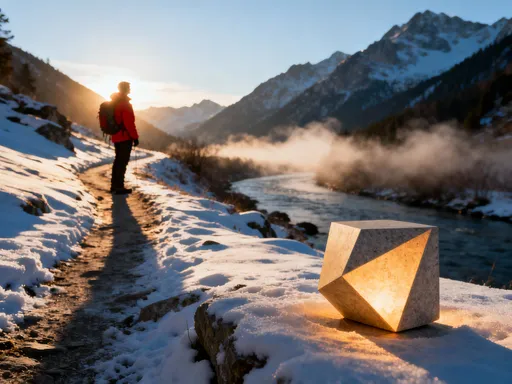
The creative pulse of Davos is deeply influenced by its environment. The long winters, often isolating, become incubators for introspection and artistic focus. The towering peaks and pristine valleys do not merely serve as backdrops—they are active participants in the creative process. Artists speak of the way light shifts across the snowfields at dawn, or how the wind carves patterns into frost-covered trees, becoming metaphors for resilience and transformation. This connection to place fosters a unique aesthetic: one that values restraint, authenticity, and emotional depth over spectacle.
What makes Davos’ art scene particularly compelling is its accessibility. Unlike larger cultural capitals where galleries can feel exclusive or intimidating, here the atmosphere is open and welcoming. Small exhibitions pop up in repurposed chalets, local cafes display rotating works by regional painters, and community centers host workshops where visitors can try their hand at traditional crafts. There is no pressure to perform or conform—only an invitation to observe, reflect, and engage. For the discerning traveler, especially those who appreciate thoughtful cultural experiences, Davos offers a rare opportunity: to witness art that grows organically from the land and its people.
Kunsthaus Davos: Where Tradition Meets Modern Vision
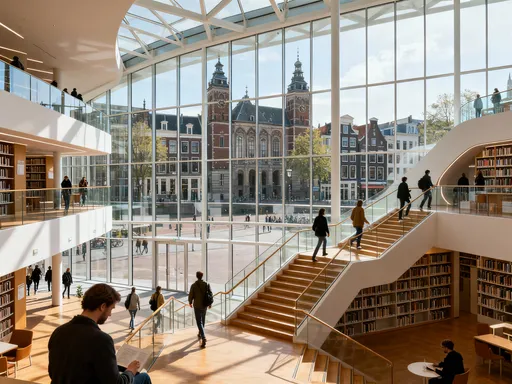
At the heart of Davos’ cultural identity stands Kunsthaus Davos, a modern gallery that serves as both a sanctuary and a catalyst for artistic expression. Housed in a sleek, light-filled building designed to harmonize with its Alpine surroundings, the Kunsthaus is not merely a container for art—it is an architectural statement in itself. Large glass facades reflect the ever-changing sky, while natural stone and sustainably sourced wood anchor the structure to the mountain terrain. This deliberate integration of design and landscape sets the tone for what lies inside: a dynamic conversation between tradition and contemporary vision.
The gallery hosts rotating exhibitions that span a wide spectrum—from retrospectives of Swiss modernists to cutting-edge multimedia installations by international artists. Recent shows have explored themes deeply rooted in the region’s identity, such as alpine ecology, mountain folklore, and the interplay between silence and sound. One memorable exhibition featured large-scale black-and-white photographs capturing abandoned mountain huts, their weathered walls telling stories of isolation and endurance. Another showcased abstract wood sculptures inspired by glacial formations, their smooth, flowing lines echoing the slow movement of ice over centuries.
What distinguishes Kunsthaus Davos from more conventional museums is its commitment to community engagement. Educational programs, artist talks, and guided tours are offered regularly, often in multiple languages to accommodate international visitors. School groups are welcomed with interactive exhibits, and local elders are invited to share oral histories that inform curatorial choices. The result is a space that feels alive—not a static archive, but a living dialogue between past and present, local and global. For the thoughtful traveler, a visit to Kunsthaus Davos is not just an aesthetic experience; it is an immersion into the cultural soul of the region.
Walking the Open-Air Gallery: Public Art Along the River and Streets
Davos transforms into an open-air gallery the moment you begin to look closely. Along the banks of the Landwasser River, where meltwater rushes over smooth stones, sculptural installations emerge like natural extensions of the landscape. Bronze figures stand in quiet contemplation near footbridges, their surfaces weathered to blend with the surrounding rock. Engraved stone markers line walking paths, each inscribed with short poems or historical notes in German and Romansh, the region’s indigenous language. These are not mere decorations—they are quiet invitations to pause, reflect, and connect with the deeper layers of place.
In the older quarters of town, murals adorn the gabled ends of wooden chalets, their colors softened by years of sun and snow. One particularly striking piece depicts a shepherd guiding his flock through a storm, rendered in muted blues and grays that mirror the winter sky. Another shows a stylized sun rising over the valley, its rays extending into the street like a blessing. These works often go unnoticed by hurried skiers, but for those who walk slowly, they become touchstones of local identity—visual narratives of resilience, harmony with nature, and the rhythms of rural life.
Seasonal art also plays a vital role in Davos’ public expression. During the winter months, ice sculptors from across the region gather for temporary installations in central plazas. Using chainsaws, chisels, and blowtorches, they transform massive blocks of frozen water into delicate forms: soaring birds, abstract spirals, and even miniature replicas of historic buildings. These ephemeral works, glowing under soft lighting at night, remind viewers of the beauty inherent in impermanence. Come spring, they melt quietly back into the earth, leaving behind only photographs and memories—a poetic metaphor for the fleeting nature of human experience.
Artist Studios Off the Beaten Path: Meeting Creatives in Their Element
While galleries offer curated glimpses into Davos’ art scene, the true heart of its creativity lies beyond the town center, in quiet villages like Monstein and Selfranga. These high-altitude hamlets, accessible by a short bus ride or a scenic hike, are home to working artists who live and create in harmony with the mountain environment. Many open their studios seasonally, inviting visitors to witness the creative process firsthand. These encounters are not performances for tourists—they are intimate, authentic moments of exchange between maker and observer.
One such visit led me to the studio of a ceramicist who uses clay sourced from local mines, rich in iron and minerals that give her work a distinctive warmth. Inside her sunlit workshop, shelves were lined with hand-thrown bowls, vases, and tiles, each marked with subtle textures that mimic the patterns of wind-blown snow or tree bark. As she shaped a new piece on the wheel, she explained how the isolation of winter allows her to focus deeply, free from distraction. “There’s a clarity that comes with silence,” she said. “It’s not emptiness—it’s fullness in another form.”
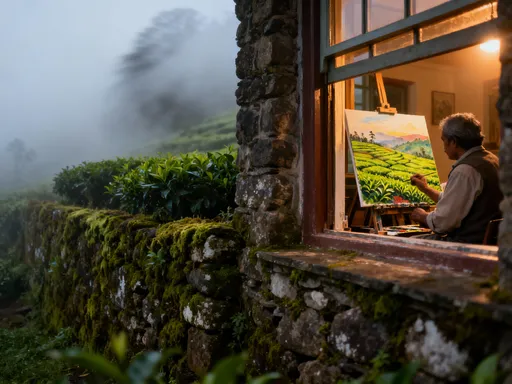
Another afternoon was spent with a landscape painter in Selfranga, whose studio overlooks the Parsenn ski area. Her canvases capture the shifting light of the Alps at different times of day, using layered glazes to replicate the way sunlight filters through morning mist or reflects off snow-covered ridges. She spoke of the challenge—and joy—of conveying not just what the eye sees, but what the soul feels. “A mountain isn’t just a shape,” she explained. “It’s a presence. It watches you as much as you watch it.” These conversations, simple yet profound, revealed a common thread among Davos’ artists: a deep reverence for place, and a belief that creativity is not separate from nature, but an extension of it.
The Role of Season and Light in Alpine Art
In Davos, the creative cycle is inextricably linked to the rhythms of the seasons. Winter, often perceived as a time of dormancy, is in fact the most fertile period for artistic production. The long nights and extended periods of stillness provide uninterrupted time for reflection and work. Many artists describe this season as a kind of hibernation—not of the body, but of the mind, which turns inward to process the intensity of the surrounding landscape. The silence is not oppressive; it is generative. It allows for a level of focus that is difficult to achieve in more chaotic environments.
Equally influential is the quality of light. At over 1,500 meters above sea level, Davos experiences a clarity of atmosphere that intensifies color and contrast. Sunlight reflects off snow with a brilliance that can be almost blinding, casting sharp shadows and highlighting textures in unexpected ways. Artists frequently cite this luminosity as a primary source of inspiration. Painters speak of the challenge of capturing the “white that isn’t white”—the subtle blues, pinks, and golds that appear in snow at different times of day. Photographers adjust their lenses to account for the high albedo, while sculptors consider how light will interact with their materials throughout the year.
This environmental sensitivity shapes not only the subject matter of alpine art but also its aesthetic. Works tend to favor minimalism, strong contrasts, and emotional depth. There is little room for excess or ornamentation when one is surrounded by vast, uncluttered spaces. Instead, artists gravitate toward forms that convey stillness, endurance, and the quiet dignity of the natural world. In this way, the environment becomes a co-creator—silent, persistent, and deeply present in every brushstroke, carving, and composition.
Cultural Events That Bring Art to Life
Davos’ cultural calendar is marked by events that, while understated, carry profound emotional resonance. The annual Davos Arts Festival, held each summer, brings together visual artists, musicians, writers, and performers for a week-long celebration of creative expression. Unlike large commercial fairs, this gathering emphasizes intimacy and collaboration. Exhibitions are held in unconventional spaces—barns, church halls, even open meadows—creating a sense of discovery with every turn. One evening, I attended a performance where a cellist played beneath a suspended glass sculpture that refracted sound and light in mesmerizing patterns, while snow fell gently around us. It was a moment of pure harmony—art, nature, and human emotion converging in silence and sound.
Other events include gallery nights, when multiple studios and exhibition spaces stay open late, connected by guided lantern walks through the snow-dusted streets. These evenings foster a sense of community, drawing locals and visitors into shared spaces of wonder and conversation. Collaborative projects are also common, such as a recent initiative where poets wrote verses in response to paintings, which were then displayed alongside the artwork. Another featured musicians composing pieces inspired by glacial melt patterns, performed live with ambient recordings of cracking ice.
What unites these events is their emphasis on authenticity and connection. There is no pretense, no attempt to impress. Instead, they offer a rare opportunity to experience art as a living, breathing presence—one that invites participation, contemplation, and emotional openness. For the traveler seeking depth over spectacle, these gatherings provide a window into the soul of Davos, revealing a culture that values quiet beauty, thoughtful expression, and the enduring power of creativity.
How to Experience Davos Like a Culture Seeker (Not Just a Skier)
For those eager to explore Davos beyond its reputation as a ski and summit destination, careful planning can unlock a rich cultural journey. The best time to visit for art-focused experiences is during the summer months, particularly July and August, when the Davos Arts Festival takes place and many studios open to the public. Spring and early autumn also offer milder weather and fewer crowds, making it easier to engage with local artists and attend smaller exhibitions.
Start by visiting the Davos Tourism Office, where staff can provide up-to-date information on gallery openings, studio tours, and cultural events. They often organize guided art walks that connect key sites, including public sculptures, historic buildings with artistic significance, and hidden murals. These walks, led by local historians or artists, offer valuable context and personal anecdotes that enrich the experience. Don’t hesitate to ask for recommendations—many lesser-known studios are not widely advertised but welcome visitors by appointment.
Combine cultural exploration with the region’s natural beauty by planning hikes that pass through artistic landmarks. The trail from Davos Dorf to Monstein, for example, winds through pine forests and meadows, with occasional sculptures placed at scenic overlooks. Pack a sketchbook or camera—many travelers find that the act of creating their own art deepens their appreciation of what they see. Local cafes and cultural centers often host informal exhibitions, so lingering over a cup of herbal tea might lead to an unexpected encounter with a painter or sculptor.
While Davos is undeniably upscale, authentic cultural experiences need not be expensive. Many public artworks are freely accessible, and community events are often free or low-cost. The key is intentionality: slow down, look closely, and engage with the place on a human level. By doing so, you move beyond the surface of luxury and performance to discover a quieter, more enduring truth—one shaped by creativity, resilience, and the enduring dialogue between people and mountains.
Davos doesn’t shout about its art—it whispers. But if you listen closely, walk slowly, and look beyond the luxury façade, you’ll find a rich cultural tapestry woven into the mountains. This town proves that even in places shaped by power and performance, creativity finds a way to flourish. Let your next Alpine journey be not just about altitude, but about soul.