You Won’t Believe What I Found in Lübeck’s Hidden Corners
Lübeck, Germany, is more than just marzipan and medieval charm—it’s a treasure chest for unique shopping lovers. I stumbled upon quiet lanes lined with family-run boutiques, artisan workshops, and quiet markets where time slows down. This isn’t about tourist traps; it’s about real moments, local makers, and finds you can’t get anywhere else. If you’re craving an authentic retail escape, Lübeck’s niche scene might just surprise you.
The Soul of Lübeck: Where Tradition Meets Discovery
Lübeck, nestled along the banks of the Trave River in northern Germany, carries a legacy shaped by centuries of trade, craftsmanship, and cultural exchange. As a former leader of the Hanseatic League—a powerful alliance of merchant cities across Northern Europe—Lübeck thrived on commerce, building a reputation for quality and reliability that still echoes through its streets today. The city’s well-preserved old town, designated a UNESCO World Heritage site in 1982, is a living museum of red-brick Gothic architecture, winding cobblestone alleys, and gabled houses that whisper stories of maritime prosperity. But beyond its postcard-perfect facades lies a quieter, more intimate side: a shopping culture rooted not in mass production, but in continuity, care, and community.
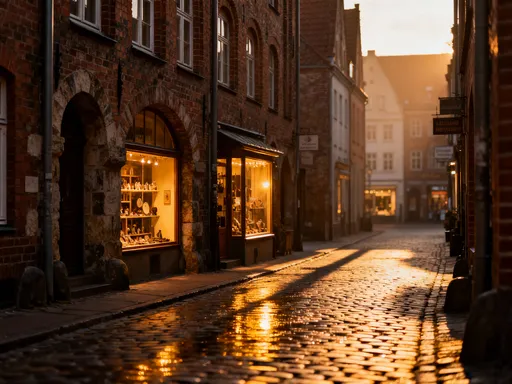
While many visitors flock to Holstentor and the main market square, the true essence of Lübeck’s retail spirit unfolds in the spaces between—the small courtyards, tucked-away arcades, and side streets where family businesses have operated for generations. These are not souvenir stalls churning out generic trinkets, but places where shopkeepers remember your name, where products are made with intention, and where every purchase feels like a small act of preservation. This distinction matters. It transforms shopping from a transaction into an experience, one shaped by respect for tradition and a deep sense of place.
The city’s historic architecture does more than provide ambiance—it shapes how commerce happens. Former warehouses along the canals, once filled with spices, wax, and grain, now house design studios, bookshops, and concept boutiques that honor the past while embracing modern sensibilities. The rhythm of life here is slower, more deliberate. Shops often open later in the morning and close early on Saturdays, reflecting a cultural value placed on balance and family. This pace allows visitors to engage more meaningfully, to pause, to ask questions, and to appreciate the craftsmanship behind each item. In Lübeck, shopping is not rushed; it is cultivated.
Marzipan Beyond the Box: Experiencing Lübeck’s Iconic Treat Differently
No discussion of Lübeck would be complete without mentioning marzipan, the city’s most famous export. But in Lübeck, marzipan is not merely a confection—it is a craft, a cultural emblem, and a sensory journey. The finest examples are made with at least 70% pure almond paste, a standard protected by the Niederegger company, which has been perfecting its recipe since 1806. Walking into one of their historic shops near the Marienkirche, the air is rich with the warm, nutty fragrance of almonds, mingling with hints of vanilla and fine chocolate. Glass cases display marzipan fruits so lifelike they seem ready to be plucked from a tree—strawberries with delicate seeds, lemons with textured rinds, even tiny artichokes sculpted by hand.
What sets Lübeck’s marzipan apart is not just its quality, but the way it is shared. At Niederegger’s flagship store, visitors can watch through a viewing window as artisans roll, shape, and paint marzipan pieces with meticulous care. This transparency—seeing the hands behind the product—adds depth to the experience. It’s not just about buying sweets; it’s about understanding the patience and precision required to make them. Other smaller confectioneries, like Cafe Marzipan or Heider, offer their own interpretations, often blending traditional techniques with seasonal flavors such as rosewater in spring or spiced pear in autumn.
For those eager to go deeper, several local workshops offer marzipan-making classes, typically lasting 90 minutes and led by pastry chefs who have trained for years in the craft. These sessions are especially popular with families and small groups, providing a hands-on way to connect with Lübeck’s culinary heritage. Participants leave not only with a box of their creations but also with a new appreciation for the artistry involved. Even if you don’t take a class, simply savoring a piece of marzipan with a cup of coffee at a quiet café bench along the Burgtor Canal offers a moment of stillness, a taste of tradition that lingers long after the last bite.
From Craftsmen to Cloakrooms: Unique Boutiques in the Old Town
Wandering through Lübeck’s Altstadt, one begins to notice a pattern: behind unassuming doorways and within centuries-old courtyards, a network of independent boutiques thrives. These are not chain stores or international brands, but spaces curated with care by local designers, textile artists, and fashion entrepreneurs. Take, for example, a small shop tucked behind the Katharinenkirche, where a mother-daughter duo sells handmade linen garments dyed with natural pigments from local plants. Their collection includes wrap dresses, wide-leg trousers, and oversized scarves in soft earth tones—each piece labeled with the name of the plant used to create its color, such as weld for yellow or woad for blue.
Elsewhere, in a converted merchant’s house near the Aegidienkirche, a boutique specializes in sustainable home goods—linen tablecloths, hand-thrown ceramics, and beeswax candles packaged in reusable cotton wraps. The owner, a former interior designer, sources everything from European artisans committed to ethical production. She speaks quietly but passionately about the importance of choosing items that last, that age gracefully, and that carry a story. “We don’t need more things,” she says, “but we do need better things—things that connect us to people and places.”
Another standout is a vintage clothing shop located in one of Lübeck’s famous “Gänge” (narrow alleyways once used by merchants). Specializing in 1950s to 1980s European fashion, the store is meticulously organized by fabric and color. Coats with velvet collars, silk blouses with hand-stitched buttons, and wool skirts with hidden pockets line the wooden racks. The owner, a trained historian, often shares brief histories of the garments—where they were made, how they were worn, and why certain styles endured. For visitors, especially women between 30 and 55 who value both style and substance, these boutiques offer more than shopping; they offer curation, conversation, and a sense of discovery.
Artisan Alleys: Finding Handmade Treasures Off the Beaten Path
Just beyond the central old town, neighborhoods like St. Jürgen and the northern cultural quarter reveal another layer of Lübeck’s creative soul. Here, away from the guided tour groups and souvenir shops, artists open their studios to the public during seasonal open-house events or by appointment. These are working spaces—some spattered with paint, others filled with the quiet hum of a potter’s wheel—where visitors can meet makers face-to-face and witness the creative process in real time.
In St. Jürgen, a bookbinder works in a sunlit studio above a former schoolhouse, crafting journals with hand-cut leather covers and paper made from recycled cotton. Each notebook is unique, some edged in gold leaf, others stamped with floral motifs inspired by 18th-century botanical illustrations. She offers short demonstrations on weekends, showing how a single journal can take days to complete, from selecting the materials to sewing the signatures by hand. Visitors often leave with more than a purchase—they leave with a story, a memory of watching someone turn simple materials into something enduring.
Not far away, a jeweler works with reclaimed silver and Baltic amber, creating delicate necklaces and earrings that reflect the colors of the nearby sea—soft greys, muted greens, and warm honey tones. Her designs are minimalist yet meaningful, often incorporating small engraved symbols like waves, anchors, or runes from old Hanseatic trade marks. She keeps a guestbook where customers write notes about why they chose a particular piece—some as gifts for loved ones, others as personal milestones. These intimate exchanges elevate the act of buying jewelry into something more personal, more human.
For those willing to explore, these artisan alleys offer a different kind of souvenir—one not mass-produced, but born of skill, time, and intention. They remind us that beauty often resides in the details: the grain of leather, the weight of a well-made spoon, the curve of a hand-blown glass. In these quiet corners, Lübeck reveals its most authentic self—not as a destination to be checked off a list, but as a place to be felt, known, and remembered.
Markets with Meaning: Seasonal Stalls and Local Flavors
Lübeck’s weekly markets are not tourist attractions—they are part of daily life. Held every Thursday and Saturday in the Klosterhof and Marktplatz areas, these gatherings bring together farmers, bakers, beekeepers, and crafters from the surrounding region. The atmosphere is relaxed, unhurried, with locals chatting as they browse baskets of just-picked vegetables, wheels of farmhouse cheese, and jars of wildflower honey harvested from meadows near the Baltic coast.
Seasonality shapes the market’s rhythm. In late spring, stalls overflow with rhubarb, asparagus, and early strawberries. By midsummer, cherries, currants, and fresh herbs dominate, often sold in reusable cloth bags. Autumn brings pumpkins, apples, and mushrooms foraged from nearby forests. Winter markets, particularly the one held in early December near the Heiligen-Geist-Hospital, focus on warmth and comfort: handmade candles, mulled wine, knitted mittens, and spiced nuts roasted on-site. These events are not commercial spectacles, but community gatherings where tradition and sustainability go hand in hand.
One of the most beloved vendors is a fourth-generation beekeeper from the Lübecker Land region, who sells raw honey in glass jars labeled with the location of the hives—some near salt marshes, others in forest clearings. He explains how the flora affects the flavor: heather honey is deep and earthy, while acacia honey is light and floral. Shoppers appreciate knowing the source of their food, and many return week after week, building relationships with the people who grow and make what they eat.
For visitors, these markets offer a chance to engage with local life in a genuine way. Cash is still commonly used, though many vendors now accept card payments. It’s polite to say “Guten Tag” when approaching a stall and “Danke schön” when making a purchase. Sampling is welcome, but always ask first. And while the experience is rich, it’s also accessible—most items are fairly priced, reflecting the true cost of small-scale, sustainable production. These markets aren’t just places to shop; they’re windows into a way of life that values quality, seasonality, and connection.
Shopping with Context: How Lübeck’s History Shapes Its Commerce
To understand Lübeck’s modern shopping culture, one must look to its past. As a leading city of the Hanseatic League from the 13th to the 17th century, Lübeck was a hub of long-distance trade, connecting cities from London to Novgorod. Its merchants were known for their integrity, their emphasis on quality, and their commitment to fair dealing—principles that helped build trust across borders. These values did not disappear with the decline of the League; they became embedded in the city’s identity, shaping how commerce is practiced even today.
Walk along the Trave River, and you’ll see historic warehouses with thick brick walls and heavy timber beams—structures once used to store valuable goods. Now, many have been repurposed into concept stores, galleries, and design workshops. One such building houses a shop that sells only products made within a 100-kilometer radius of Lübeck, from wool blankets to ceramic tableware. The owner sees this as a modern extension of Hanseatic values: supporting local producers, ensuring traceability, and promoting durability over disposability.
This historical continuity is also evident in the way goods are presented and sold. Packaging tends to be simple and functional—recycled paper, cotton bags, glass containers—reflecting a preference for substance over spectacle. Labels often include detailed information about materials, origin, and production methods, appealing to thoughtful consumers who care about transparency. Even pricing reflects a certain honesty: items are not artificially cheap, but they are fairly valued, with room for conversation and negotiation in smaller shops.
In this way, Lübeck’s retail scene becomes more than a collection of stores—it becomes a narrative of resilience, adaptation, and care. It honors the past not through imitation, but through evolution, proving that tradition and innovation can coexist. For the modern traveler, especially one seeking meaning in what they buy, this context adds depth and dignity to every purchase.
Making the Most of Your Visit: Practical Tips for a Thoughtful Retail Journey
Planning a shopping-focused visit to Lübeck requires more than a map—it requires intention. The city rewards slow exploration, so allow at least two full days to truly experience its offerings. Most shops in the old town open around 10:00 a.m. and close by 6:00 p.m., with many shutting down early on Saturdays and remaining closed on Sundays. Markets are best visited in the morning, when produce is freshest and crowds are lighter.
A recommended walking route begins at the Holstentor, continues through the Burgtor area, loops around the Marienkirche, and winds through the Gänge towards the St. Annen Museum quarter—where several artisan studios are clustered. From there, a short walk leads to the Klosterhof market. Along the way, pause at neighborhood cafés like Café Niederegger or Kleines Glück, where a cup of coffee and a slice of apple cake can provide a moment of rest and reflection. These breaks are not distractions; they are part of the experience, allowing you to absorb the rhythm of daily life.
While German is the primary language, many shopkeepers in tourist-adjacent areas speak basic English, especially younger owners. Learning a few simple phrases—“Guten Tag,” “Wie viel kostet das?”, “Danke”—goes a long way in building rapport. When browsing, it’s acceptable to ask questions about materials, production, or care instructions. Most artisans are happy to share their knowledge, and these conversations often lead to more meaningful purchases.
Sustainability is a quiet but growing priority in Lübeck. Many shops encourage reusable bags, offer repair services for clothing and accessories, and use minimal packaging. Consider bringing a cloth tote to carry your finds. And when choosing what to buy, think beyond the moment—ask yourself whether the item will last, whether it supports a small maker, and whether it carries a story worth keeping. In doing so, you honor not just the craft, but the culture behind it.
Lübeck’s shopping experience is not measured in bags carried but in connections made—with artisans, traditions, and quiet corners of a city that values depth over dazzle. It invites travelers to slow down, look closely, and find beauty in the handmade, the historic, and the human. This is retail as revelation.