Time-Tested Moves That Keep Me Feeling Years Younger
Aging is inevitable, but how we age is largely within our control. I used to feel tired all the time—until I shifted my daily habits with small, science-backed changes. This isn’t about chasing quick fixes; it’s about building a resilient body and mind through consistent, smart health management. The signs of aging aren’t just in the mirror—they show up in how we feel day to day: sluggish mornings, afternoon brain fog, slow recovery from minor illnesses, and a general sense that life has lost its spark. What changed for me wasn’t one dramatic intervention, but a series of intentional, sustainable choices rooted in understanding how the body works. This is not about looking younger—it’s about feeling younger, stronger, and more capable as the years go by.
The Real Problem with Aging (It’s Not What You Think)
When most people think of aging, they picture gray hair, wrinkles, or the need for reading glasses. While these visible changes are part of the process, they’re not the real story. The deeper, more impactful signs of aging happen beneath the surface—often unnoticed until they begin to affect daily life. Persistent fatigue, difficulty concentrating, joint stiffness, and longer recovery times after physical activity are not just inconveniences; they are signals that the body’s internal systems are slowing down. These changes begin at the cellular level, where the very machinery of life starts to lose efficiency. Mitochondria, the energy powerhouses within our cells, become less effective over time. This decline leads to reduced energy production, making even simple tasks feel more taxing. At the same time, chronic low-grade inflammation increases, contributing to a host of age-related conditions, from joint discomfort to cognitive decline.
Hormonal shifts also play a significant role in how we age. As we grow older, the body produces less of certain key hormones, such as growth hormone and testosterone in both men and women, and estrogen in women. These changes affect muscle mass, bone density, mood, and metabolic rate. However, it’s important to understand that these shifts are not an excuse for decline—they are part of a natural process that can be supported with the right lifestyle choices. The problem arises when people treat only the symptoms of aging—buying creams for wrinkles or taking supplements for memory—without addressing the underlying causes. Skincare may improve appearance, but it won’t boost cellular energy. Memory supplements might offer a temporary lift, but they won’t reduce systemic inflammation or improve sleep quality, both of which are foundational to brain health.
True anti-aging isn’t about masking the signs; it’s about supporting the body’s natural ability to repair, regenerate, and function efficiently. This requires a shift in perspective—from seeing aging as an unavoidable decline to viewing it as a process that can be influenced by daily habits. Just as a car requires regular maintenance to run smoothly, the human body needs consistent care to operate at its best. Ignoring the deeper systems—metabolism, cellular repair, hormonal balance—leads to accelerated aging. But when these systems are supported through nutrition, movement, sleep, and stress management, the body can maintain vitality far longer than many realize. The goal isn’t to stop time, but to age with strength, clarity, and resilience.
Mindset First: Seeing Health as a Long-Term System
One of the most transformative shifts I made wasn’t physical—it was mental. For years, I approached health reactively: I’d wait until I felt unwell, gained weight, or received a concerning doctor’s note before making changes. This pattern is common. Many people treat their bodies like machines they only maintain when something breaks. But the human body isn’t designed for emergency repairs—it thrives on consistency and prevention. Once I began to see health as a long-term system, everything changed. Instead of asking, “What can I do to fix this symptom?” I started asking, “What daily habits will keep my body functioning well for decades?” This shift in mindset laid the foundation for lasting change.
Thinking of the body as a high-performance machine isn’t just a metaphor—it’s an accurate reflection of how complex biological systems work. Just as a finely tuned engine requires clean fuel, regular lubrication, and proper cooling, the human body depends on quality nutrition, hydration, movement, and rest. When any of these components are neglected, performance suffers. But unlike a car, the body has an incredible capacity to adapt and heal—if given the right support. The key is consistency. Small, intelligent choices made every day compound over time, shaping the trajectory of health. Skipping a workout once won’t derail progress, but doing so regularly will. Eating a nutritious meal won’t instantly reverse aging, but doing so consistently supports cellular repair and energy production.
What matters most is the pattern, not perfection. I used to believe that health required strict discipline—rigid diets, intense workouts, and flawless routines. But that approach is unsustainable for most people, especially those managing busy households, careers, and family responsibilities. A more realistic and effective strategy is to build habits that fit into real life. This means choosing actions that are simple, repeatable, and enjoyable. For example, instead of committing to an hour at the gym every day, I started with a 15-minute walk after dinner. Over time, that small habit became automatic, and I naturally added more movement. The same principle applies to nutrition, sleep, and stress management. Progress comes not from dramatic overhauls, but from steady, incremental improvements that add up over months and years.
Fueling the Machine: Nutrition That Works With Your Biology
Nutrition is the foundation of energy, repair, and long-term health. What we eat directly influences how our cells function, how we age, and how we feel every day. I learned that it’s not about following the latest diet trend or cutting out entire food groups. Instead, it’s about choosing foods that work with the body’s natural processes. The best approach is to focus on whole, nutrient-dense foods—those that provide a rich supply of vitamins, minerals, antioxidants, and fiber without excess sugar, refined grains, or artificial ingredients. These foods support cellular health, reduce inflammation, and stabilize energy levels throughout the day.
A balanced intake of macronutrients—healthy fats, high-quality proteins, and complex carbohydrates—is essential for maintaining bodily functions. Healthy fats, such as those found in avocados, nuts, seeds, and olive oil, play a critical role in hormone production, brain health, and reducing inflammation. Clean proteins from sources like fish, eggs, legumes, and lean meats provide the building blocks for muscle repair and immune function. Plant fibers from vegetables, fruits, and whole grains support gut health, which is increasingly recognized as central to overall well-being. A healthy gut microbiome helps regulate digestion, immunity, and even mood, making fiber-rich foods a cornerstone of long-term vitality.
Equally important is when we eat. Our bodies operate on circadian rhythms—internal clocks that regulate digestion, metabolism, and hormone release. Eating in alignment with these natural cycles can enhance energy and support healthy aging. For example, consuming the majority of calories earlier in the day, rather than late at night, helps maintain stable blood sugar and supports better sleep. I found that by making dinner my lightest meal and avoiding late-night snacks, my digestion improved and I woke up feeling more refreshed. This isn’t about restrictive dieting or counting every calorie—it’s about creating eating patterns that support the body’s natural rhythms. Occasional indulgences are fine; what matters is the overall pattern. Consistency, not perfection, is the goal.
Movement as Medicine: Daily Motion That Adds Up
Physical activity is one of the most powerful tools for healthy aging, yet many people underestimate its importance—especially non-exercise movement. Research consistently shows that prolonged sitting is associated with a higher risk of chronic disease and premature aging, earning it the nickname “the new smoking.” But the solution isn’t just hitting the gym a few times a week. What matters most is how much we move throughout the day. Simple actions like walking, standing, stretching, and doing household chores contribute significantly to overall health. I started by setting a goal of 8,000 to 10,000 steps daily, not as a rigid target, but as a way to stay consistently active. Over time, this habit boosted my energy, improved my mood, and helped maintain a healthy weight.
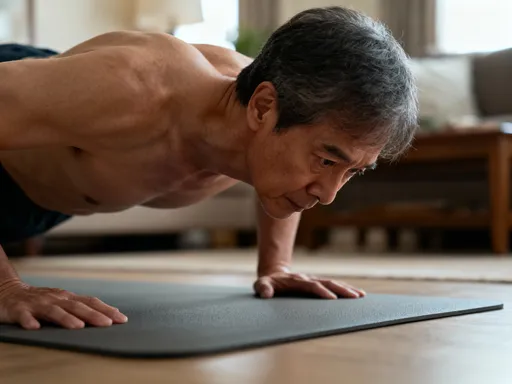
A well-rounded movement routine includes more than just walking. I incorporate strength training two to three times a week to preserve muscle mass, which naturally declines with age. Maintaining muscle isn’t just about appearance—it’s crucial for metabolic health, balance, and independence in later years. Resistance exercises, whether with body weight, dumbbells, or resistance bands, help keep bones strong and joints flexible. I also prioritize mobility work, such as gentle yoga or dynamic stretching, to maintain range of motion and prevent stiffness. These practices have made everyday movements—bending, lifting, reaching—easier and more comfortable.
Low-intensity cardio, such as brisk walking, cycling, or swimming, supports heart health and endurance without putting excessive strain on the body. Unlike high-intensity workouts that can be hard to sustain, these activities are sustainable over a lifetime. The key is consistency and enjoyment. I choose activities I genuinely like, which makes it easier to stick with them. Over time, regular movement has improved my sleep, reduced joint discomfort, and sharpened my mental focus. Movement isn’t just about burning calories—it’s about keeping the entire system functioning smoothly. When the body moves, circulation improves, tissues are nourished, and waste products are cleared more efficiently. In this way, daily motion becomes a form of preventive medicine.
Sleep: The Most Underrated Anti-Aging Tool
If there’s one habit that has transformed my energy and clarity more than any other, it’s prioritizing sleep. Sleep is when the body performs its most critical repair work—clearing metabolic waste from the brain, restoring hormone balance, and repairing tissues. Poor sleep doesn’t just leave you tired the next day; it accelerates biological aging by disrupting these essential processes. Chronic sleep deprivation is linked to increased inflammation, insulin resistance, and cognitive decline. I used to sacrifice sleep to get more done, but I’ve learned that rest is not wasted time—it’s an investment in long-term health.
Creating a consistent wind-down routine made a significant difference. I now limit screen time at least an hour before bed, as the blue light from phones and tablets suppresses melatonin, the hormone that regulates sleep. I also dim the lights in the evening to signal to my body that it’s time to relax. My bedroom is kept cool, quiet, and free from distractions—no TV, no work, just a space dedicated to rest. These small changes helped me fall asleep faster and stay asleep longer. Over time, I began waking up feeling refreshed and alert, a clear sign that my body’s repair systems were functioning well.
Tracking my sleep patterns helped me understand what worked and what didn’t. While I don’t rely on gadgets every night, occasional use of a sleep tracker gave me insights into my sleep cycles and habits. More importantly, I learned to listen to my body. If I felt groggy in the morning, I adjusted my bedtime or evening routine. Sleep isn’t a one-size-fits-all solution—some nights require more rest than others. The goal is not perfection, but consistency. By treating sleep as a non-negotiable part of my daily routine, I’ve noticed improvements in my mood, focus, and resilience to stress. In the long run, quality sleep is one of the most effective ways to slow the aging process and maintain vitality.
Stress Management: Calming the Invisible Accelerator
Chronic stress is one of the most overlooked drivers of accelerated aging. Unlike acute stress, which is short-term and can even be beneficial, chronic stress keeps the body in a constant state of alert, flooding the system with stress hormones like cortisol. Over time, this leads to increased inflammation, weakened immunity, and cellular damage. I didn’t realize how much stress was affecting me until I started paying attention to physical signs—tension in my shoulders, trouble sleeping, and frequent colds. Once I recognized the impact, I began looking for simple, realistic ways to manage stress within the flow of daily life.
Breathwork became one of my most effective tools. Just a few minutes of slow, deep breathing can activate the parasympathetic nervous system, which helps the body relax and recover. I practice this in the morning, during breaks, or before bed—anytime I need to reset. Spending time in nature is another powerful stress reliever. Even a short walk in a park or sitting under a tree can lower cortisol levels and improve mood. I also schedule regular digital detox periods, turning off notifications and stepping away from screens to create mental space. These practices aren’t time-consuming, but they make a meaningful difference in how I feel.
Building emotional resilience is just as important as physical health. Life will always have challenges—what matters is how we respond. By cultivating mindfulness, practicing gratitude, and setting healthy boundaries, I’ve become better at navigating stress without letting it take over. These habits aren’t about eliminating stress entirely—that’s impossible—but about creating balance. When stress is managed effectively, the body can return to a state of calm, reducing the wear and tear on cells and systems. Over time, this leads to slower aging and greater overall well-being.
Putting It All Together: My Daily Health Management Routine
Integrating these habits into a daily routine didn’t happen overnight. I started small, focusing on one change at a time until it became automatic. Now, my day follows a rhythm that supports energy, focus, and recovery. Mornings begin with hydration—a glass of water with lemon—and a few minutes of mindful breathing. Breakfast is balanced: protein, healthy fats, and fiber to stabilize blood sugar. I aim to get outside for natural light, which helps regulate my circadian rhythm. Throughout the day, I stay active with short walks, stretching, and strength exercises. Meals are mostly whole foods, with plenty of vegetables, lean proteins, and healthy fats. Dinner is light and early, followed by a screen-free wind-down routine.
The synergy between these habits is what makes the biggest difference. Good nutrition fuels better workouts. Movement improves sleep quality. Quality sleep enhances stress resilience. Each piece supports the others, creating a positive feedback loop. I don’t follow a rigid schedule—I adjust based on how I feel. Some days call for more rest, others for more activity. The key is awareness and flexibility. By listening to my body and responding with care, I’ve maintained energy and clarity well into my 50s. This approach isn’t about looking younger—it’s about feeling capable, strong, and present in my life.
Final Thoughts: Aging With Strength, Not Just Grace
You don’t need extreme diets, expensive treatments, or hours at the gym to age well. What matters most are consistent, intelligent habits that support your body’s natural systems. Health management isn’t about perfection—it’s about progress, awareness, and showing up for yourself every day. By focusing on nutrition, movement, sleep, and stress, you can slow the aging process and maintain vitality far longer than you might think. The goal isn’t to turn back the clock, but to move forward with strength, clarity, and purpose. When you work with your body instead of against it, you don’t just age—you thrive.