How Massage Therapy Changed My Approach to Managing Chronic Pain
Living with chronic pain used to define my daily routine—until I discovered the power of massage therapy. It wasn’t a cure, but it became a game-changer in how I manage symptoms and reclaim control. As someone who’s walked this path, I’ve learned that consistent, professional care can significantly improve quality of life. This is not medical advice, but a real look at how integrating massage into disease management made a noticeable difference—backed by science, guided by professionals, and tested through experience.
The Hidden Burden of Chronic Pain
Chronic pain is more than just persistent discomfort; it is a complex health condition that affects millions of adults worldwide, particularly those between the ages of 30 and 55. Unlike acute pain, which typically resolves after an injury heals, chronic pain lasts for three months or longer and often continues even after the initial cause has been addressed. For many, it becomes a constant companion, influencing everything from the ability to perform daily tasks to the quality of personal relationships. The physical toll is evident, but the emotional and psychological impact can be just as debilitating. Sleep disturbances, fatigue, irritability, and even symptoms of depression are commonly reported among individuals living with long-term pain.
Conditions such as osteoarthritis, fibromyalgia, lower back injuries, and repetitive strain injuries are among the most frequent sources of chronic pain. These are not rare ailments—they are widespread and often progressive, requiring ongoing management strategies. Many people rely heavily on over-the-counter or prescription pain medications, which can offer temporary relief but come with risks such as dependency, gastrointestinal issues, and reduced effectiveness over time. As a result, healthcare professionals are increasingly advocating for integrative, non-drug approaches to pain care. Among these, massage therapy has emerged as a supportive and accessible option, offering both physical and emotional benefits without the side effects associated with long-term medication use.
What makes chronic pain particularly challenging is its invisibility. Unlike a broken bone or a visible wound, the symptoms are internal and often misunderstood by others. This can lead to feelings of isolation and frustration, especially when well-meaning friends or family suggest simply “pushing through” the discomfort. In reality, managing chronic pain requires a compassionate, multidimensional strategy. It is not about eliminating pain entirely—though reduction is a goal—but about improving function, restoring a sense of agency, and enhancing overall well-being. Recognizing pain as a legitimate and multifaceted health concern is the first step toward effective management, and it opens the door to complementary therapies that support the body’s natural ability to heal and adapt.
What Exactly Is Massage Therapy?
Massage therapy is often misunderstood as a luxury spa treatment, but in clinical and medical settings, it is a structured, evidence-informed practice delivered by licensed professionals. Far from being a generic act of rubbing sore muscles, it involves specific techniques tailored to address individual health conditions, physical limitations, and therapeutic goals. Trained massage therapists undergo rigorous education in anatomy, physiology, pathology, and hands-on techniques, enabling them to work safely and effectively with clients who have chronic pain or other medical concerns. This professional foundation distinguishes clinical massage from casual or recreational bodywork and ensures that treatments are both safe and purposeful.
Several techniques are commonly used in pain management, each with a distinct purpose and physiological effect. Swedish massage, known for its long, flowing strokes, promotes relaxation and improved circulation, making it ideal for individuals experiencing generalized muscle tension or stress-related pain. Deep tissue massage applies more focused pressure to reach deeper layers of muscle and connective tissue, helping to release chronic tightness and adhesions that contribute to discomfort. Myofascial release targets the fascia—the web-like connective tissue surrounding muscles and organs—which can become restricted due to injury, inflammation, or poor posture. By gently stretching and loosening these restrictions, this technique can improve mobility and reduce referred pain patterns.
Trigger point therapy is another valuable method, particularly for those with localized pain or muscle knots. These hyperirritable spots in muscle tissue can cause both local discomfort and radiating pain, often mimicking symptoms of other conditions. A skilled therapist can locate and deactivate these points through sustained pressure, providing relief that may extend beyond the treatment session. Importantly, no single technique is universally applied. A professional therapist conducts an initial assessment to understand the client’s medical history, current symptoms, and goals, then designs a personalized treatment plan. This individualized approach ensures that the therapy is not only effective but also comfortable and appropriate for the person’s specific condition.
Why It Works: The Science Behind Relief
The benefits of massage therapy are not merely anecdotal—they are supported by a growing body of scientific research. One of the most well-documented effects is the reduction of muscle tension and improved blood flow to affected areas. When muscles are chronically tight, they restrict circulation, leading to a buildup of metabolic waste and reduced oxygen delivery. Massage helps break this cycle by mechanically loosening muscle fibers and stimulating vasodilation, which enhances nutrient delivery and accelerates the removal of toxins. This physiological shift can result in decreased stiffness, improved range of motion, and a noticeable reduction in pain intensity.
Equally important is massage’s impact on the body’s stress response. Chronic pain is closely linked to elevated levels of cortisol, the primary stress hormone, which can exacerbate inflammation and impair healing. Studies have shown that regular massage sessions lead to a significant decrease in cortisol levels, often accompanied by an increase in endorphins and serotonin—the body’s natural mood-regulating and pain-relieving chemicals. This biochemical shift contributes not only to physical comfort but also to emotional well-being, helping individuals feel more relaxed, less anxious, and more in control of their condition.
From a neurological perspective, massage influences how pain signals are processed in the central nervous system. The gate control theory of pain suggests that non-painful stimuli, such as touch and pressure, can “close the gate” to pain signals traveling to the brain. When a therapist applies deliberate, rhythmic pressure, it activates large-diameter nerve fibers that compete with pain signals, effectively reducing their perception. This does not mean the underlying condition is cured, but the brain receives fewer pain messages, leading to a subjective experience of relief. Over time, this modulation can help retrain the nervous system, especially in cases of centralized pain like fibromyalgia, where the brain becomes overly sensitive to stimuli.
Systematic reviews and meta-analyses have reinforced these findings. For example, research published in journals such as the Journal of the American Medical Association and the Cochrane Database of Systematic Reviews has found moderate-quality evidence supporting the use of massage for short-term relief of chronic lower back pain. While the effects may not be permanent, consistent sessions have been associated with meaningful improvements in pain, function, and quality of life. These findings underscore the value of massage as a complementary tool within a broader pain management strategy, offering a safe, non-invasive way to support the body’s natural healing processes.
Integrating Massage into Disease Management Plans
Massage therapy should not be viewed as a replacement for medical treatment, but rather as a valuable component of a comprehensive, multidisciplinary approach to managing chronic pain. In modern healthcare, the most effective disease management plans are those that combine medical interventions, physical rehabilitation, lifestyle modifications, and psychological support. Massage fits naturally within this framework, bridging the gap between physical therapy and self-care. When used in coordination with other treatments, it can enhance outcomes, reduce reliance on medications, and improve patient adherence to long-term care plans.
For instance, individuals undergoing physical therapy for a back injury may benefit from regular massage to reduce muscle guarding and improve tissue pliability, making therapeutic exercises more effective and less painful. Similarly, those managing arthritis can use massage to maintain joint mobility and reduce stiffness, complementing prescribed medications and assistive devices. In some healthcare settings, physicians and pain specialists now include licensed massage therapists as part of the care team, referring patients based on clinical need. This collaborative model ensures that treatments are aligned, safe, and tailored to the individual’s evolving condition.
Communication between healthcare providers is essential for successful integration. A massage therapist should be informed of the client’s diagnosis, treatment plan, and any contraindications to ensure that techniques are appropriate and supportive. At the same time, clients should share feedback about their massage experiences with their primary care provider, especially if they notice changes in pain levels, mobility, or medication needs. This two-way exchange fosters continuity of care and allows for timely adjustments to the overall management strategy. As more health systems recognize the value of integrative approaches, insurance coverage for medically indicated massage is expanding, making it more accessible to those who could benefit most.
What to Expect During a Professional Session
For someone new to clinical massage, understanding what happens during a session can reduce anxiety and increase comfort. A typical appointment begins with a private consultation, during which the therapist reviews the client’s health history, current symptoms, and treatment goals. This is an opportunity to discuss any areas of concern, such as sensitive spots, previous injuries, or medical conditions that might affect the session. Informed consent is obtained, ensuring that the client understands the procedures and feels in control of the experience.
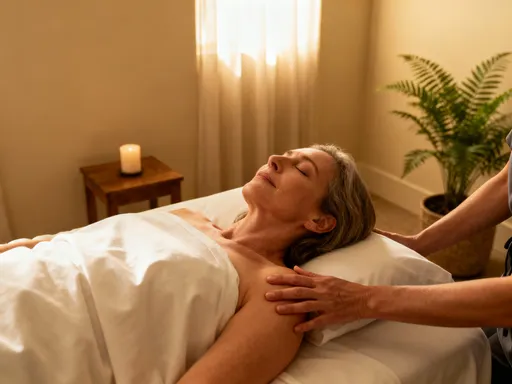
The treatment itself takes place in a quiet, clean, and temperature-controlled room designed to promote relaxation and dignity. The client lies on a padded massage table, usually draped with sheets or towels to maintain privacy, with only the area being worked on exposed at any given time. The therapist uses hands, fingers, elbows, or forearms to apply techniques based on the individual’s needs, adjusting pressure according to tolerance and condition. For example, someone with fibromyalgia may require very gentle touch, while another person recovering from a sports injury might benefit from deeper work.
Throughout the session, open communication is encouraged. The therapist checks in regularly to ensure the pressure is appropriate and that the client is comfortable. There is no expectation to remain silent or endure discomfort—in fact, feedback is essential to a successful treatment. The session typically lasts between 30 and 60 minutes, depending on the treatment plan. Afterward, many people report feeling relaxed, looser, and mentally clearer, though some may experience mild soreness for a day or two, similar to after a workout. Drinking water and gentle stretching are often recommended to support the body’s response. Each session builds on the last, contributing to cumulative benefits over time.
Finding the Right Practitioner and Avoiding Risks
Not all massage therapists are the same, and choosing a qualified professional is critical, especially for individuals with chronic health conditions. The best practitioners are licensed or certified by recognized regulatory bodies and have completed accredited training programs. In many regions, the title “licensed massage therapist” (LMT) indicates that the individual has met specific educational and examination requirements. When seeking care for pain management, it is advisable to look for therapists with experience in medical, rehabilitative, or clinical settings, as they are more likely to understand the complexities of chronic conditions and work collaboratively with healthcare providers.
Be cautious of providers who make exaggerated claims, such as promising to “cure” chronic pain or reverse disease progression. Such statements are not only unrealistic but may indicate a lack of professional integrity. Similarly, avoid practitioners who use unproven methods, pressure clients into long-term contracts, or disregard personal boundaries. A reputable therapist will respect your comfort level, explain techniques clearly, and never perform treatments that feel inappropriate or unsafe.
It is also important to be aware of contraindications—situations in which massage may not be advisable. These include active infections, blood clots, fractures, severe osteoporosis, or areas with open wounds or recent surgery. In cases of acute inflammation or flare-ups of autoimmune conditions, modified or delayed treatment may be necessary. For this reason, consulting with a physician before beginning massage therapy is a prudent step, particularly for those managing complex health issues. With proper guidance and professional care, massage can be a safe and supportive addition to a wellness routine.
Long-Term Benefits and Realistic Expectations
While a single massage session can offer immediate relief, the most significant improvements are typically seen with consistent, ongoing care. Over time, regular sessions contribute to sustained reductions in muscle tension, improved circulation, and greater body awareness. Many individuals report enhanced sleep quality, increased energy levels, and a more positive outlook on life. Some find they can reduce their use of pain relievers, which not only lowers the risk of side effects but also fosters a greater sense of control over their health. These benefits are not instantaneous, but they accumulate with patience and commitment.
It is essential, however, to maintain realistic expectations. Massage therapy does not reverse the underlying causes of chronic conditions such as arthritis or nerve damage. Instead, it supports the body’s ability to manage symptoms and maintain function. Think of it as part of a long-term investment in health—like regular exercise or a balanced diet—rather than a quick fix. When integrated into a broader self-care plan, it can help individuals stay active, engaged, and resilient in the face of ongoing challenges.
Ultimately, managing chronic pain is not just about reducing discomfort; it is about reclaiming a sense of normalcy and well-being. Massage therapy, when delivered by a skilled professional and used as part of a coordinated approach, offers a compassionate, science-backed way to support that journey. It reminds us that healing is not always about dramatic cures, but often about small, consistent steps toward greater comfort and quality of life. For many, it has become not just a treatment, but a vital part of their daily commitment to health and self-respect.